
Dawncaster: Deckbuilding RPG
Wanderlost InteractiveCard
4.51.16K Reviews
- Version
- 1.19.003
- Installs
- 100.00K
- Age Rating
- Teen
Screenshots


Our Review of Dawncaster: Deckbuilding RPG
 Analysis by Appyee
Hey there, fellow adventurers! Today, I'm diving into the mystical world of Dawncaster: Deckbuilding RPG, a game that's been buzzing in the RPG community. If you're into strategic card games with a fantasy twist, then you're in for a treat. Let’s explore what makes this game a must-try on your mobile device.
First impressions: a compact fantasy escape
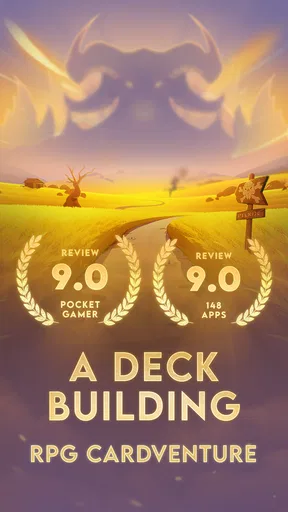
From the moment I launched Dawncaster, I was drawn in by its rich and immersive world. The game kicks off with a beautifully illustrated intro, setting the stage for an epic journey through a land filled with magic, mystery, and, of course, danger. As a player, you are tasked with building your deck, choosing the right cards, and strategizing your way through various challenges.
That opening impression is strongest when I treat a run as a focused little adventure rather than a game to rush through. The fantasy presentation gives each card encounter a sense of place, while the turn-based pace leaves room to consider a choice instead of demanding quick reactions. I can see this working especially well during a quiet break: play a little, think through the next decision, then put the phone away without needing the game to become a constant background activity.
A world told through its cards
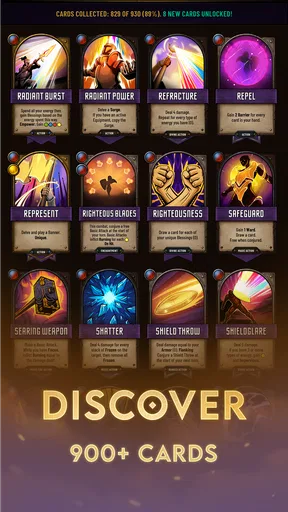
The visual identity matters because the cards are not just a menu of numbers and effects; they are the main language through which the adventure reaches me. The illustrated presentation helps separate the game from a plain spreadsheet-like card battler, and the fantasy setting gives the deckbuilding a mood to sit inside. I would not choose it solely for spectacle, but the art gives the repeated act of reading and selecting cards more character.
The game is a card RPG from Wanderlost Interactive, and that blend is useful to keep in mind when deciding what kind of fantasy experience you want. Its appeal is not the same as a traditional action RPG built around direct movement and reflexes. Here, the sense of becoming stronger comes through the choices tied to a run and the way a deck develops. Players who enjoy interpreting a situation through cards are likely to find that a satisfying way to inhabit the setting; anyone looking mainly for exploration controlled through movement may prefer a different sort of RPG.
A world of magic and strategy awaits
As a mobile purchase, it is worth weighing the upfront cost against how much you enjoy returning to a single card game. The game costs $4.99, with optional in-app purchases priced from $4.99 to $15.99 per item. I would decide based on whether the core deckbuilding loop is already the kind of thing I want to spend time with, rather than assuming optional spending is necessary. It is rated Teen, so that age guidance is worth checking for younger players. The game has a 4.4 average from around 5.3K ratings, and more than 100K installs; those figures suggest an established audience, but they cannot tell you whether its particular rhythm will suit you.
Gameplay mechanics: a deep dive
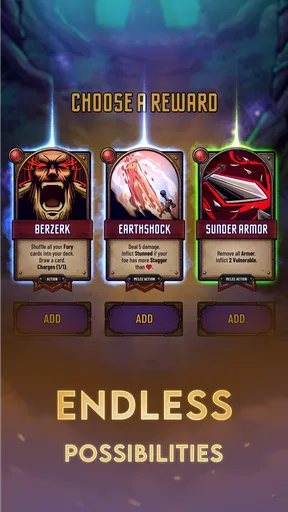
The core of Dawncaster revolves around deckbuilding, and let me tell you, it’s as addictive as it sounds. The game offers a vast array of cards, each with unique abilities and effects. You need to think on your feet, adapting your strategy to the foes you face. The decks are customizable, allowing for a personalized gameplay experience that keeps you engaged for hours.
My practical advice is to pay attention to how a card fits the plan you are actually building, not just whether its effect sounds powerful on its own. A tempting addition can make a deck feel less focused if it pulls against the approach that has been working. When I hit a difficult encounter, I would first look for a mismatch between my deck and the problem in front of me, rather than assuming I simply need more strength. That habit makes losses more useful: they become clues about what to change next time.
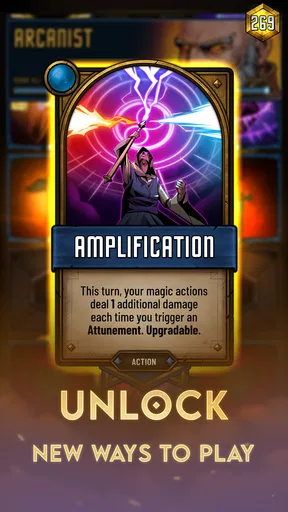
One of the aspects I absolutely love is the skill tree system. As you progress, you earn experience points which you can use to unlock new skills. This adds a layer of depth, as you can tailor your character to fit your preferred playstyle. Whether you want to be a powerful mage, a sneaky rogue, or a mighty warrior, the choice is yours.
That customization is also where a little restraint can help. If I am still learning what a build can do, I would rather follow one clear direction for a while than chase every appealing option at once. A focused character makes it easier to understand which choices are helping and which are merely distracting. Players who like planning a build over several decisions will enjoy that consideration; players who want every upgrade to be an obvious, immediate improvement may find the slower process less satisfying.
Sound and rhythm: letting decisions breathe
Visually, Dawncaster is a treat. The artwork is stunning, with vibrant colors and detailed card designs that bring the game to life. The animations are smooth, and the interface is intuitive, making it easy to navigate through your deck and manage your inventory.
The audio complements the visuals perfectly. The background music sets the mood for your quest, while the sound effects add a layer of realism. From the clash of swords to the casting of spells, every audio cue enhances the immersive experience.
For me, the key benefit of this presentation is that it supports attention rather than competing for it. A sound cue can make an encounter feel more vivid, but the card decisions remain the point; I am not relying on rapid taps or loud effects to understand what is happening. In an everyday scenario, I might start a run after dinner, take time to consider a choice, and stop when I reach a natural pause. That is a better fit than opening it for a few seconds while distracted, since the pleasure comes from following the situation and making decisions with some care.
Challenges, repetition, and replayability
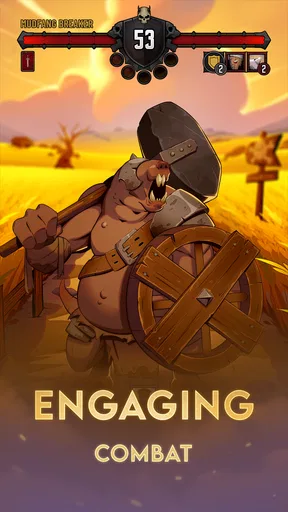
What’s a deckbuilding game without challenges, right? Dawncaster doesn’t disappoint in this department. The game throws various enemies your way, each with unique abilities that require different strategies to defeat. The battles are challenging enough to keep you on your toes but not so hard that they become frustrating.
Replayability is another strong suit here. With multiple paths to explore, different decks to build, and a plethora of skills to unlock, each playthrough feels fresh. You can experiment with different strategies, ensuring that no two games are ever the same.
There is a trade-off in that variety: a new run can be exciting precisely because it asks me to adapt, but that also means I should not expect every approach to work equally well in every situation. I find that appealing when I want a game that rewards learning through repetition. If I am in the mood for a tightly scripted story that unfolds the same way each time, the shifting focus of deck choices and challenges may feel less compelling. The game suits patient experimentation better than a player who wants to settle on one fixed routine and never revise it.
Compared with many mobile card games that emphasize quick matches or a competitive back-and-forth with another player, this is a more inward-facing experience: the central attraction is shaping a deck and responding to the adventure in front of you. That makes it a strong option for solo strategy sessions, but a weaker match if the main reason you play cards is to compete with friends or chase a brisk multiplayer contest. Against a conventional RPG, it trades direct action for decisions expressed through cards, so the question is whether that slower, tactical language is what you want.
Practical fit for different players
I would recommend it to someone who likes trying a build, noticing where it falters, and then adjusting the next attempt. It also suits fantasy fans who are happy to let illustrations, encounters, and card decisions carry the mood rather than expecting a large world to explore through movement. Newcomers to deckbuilders can approach it one choice at a time, but they should be comfortable learning from a run that does not go perfectly. The game is less suitable for someone who dislikes planning, wants a purely casual game with no meaningful decisions, or would rather have direct action than turn-based card play.
One useful way to get more from a session is to decide what you want to learn before starting: perhaps whether a certain style of deck feels natural, or which kinds of card choices create problems later. That turns experimentation into a small, practical goal instead of a vague attempt to make every run successful. I also find it sensible to pause and review a choice when a fight changes direction, rather than tapping through just to keep momentum. The slower pace is not a flaw if you want strategy, but it is friction if you only have time or patience for instant results.
The game’s current version is 1.18.004, and it requires Android 6.0 or later. That makes the minimum system requirement straightforward to check before installing on an older Android device. Dawncaster was released on Mar 10, 2021, and its continued presence in the mobile card-game space gives a buyer a reason to consider it as a developed, established title rather than a brand-new experiment. I would still choose it for its particular mix of fantasy atmosphere and deck decisions, not simply because it has been around.
Atmosphere verdict
In conclusion, Dawncaster: Deckbuilding RPG is a fantastic addition to the mobile gaming world. It combines the strategic depth of deckbuilding with the immersive storytelling of an RPG, creating a unique and engaging experience. Whether you're a seasoned card game veteran or a newcomer to the genre, there’s something here for everyone.
So, grab your device, download Dawncaster, and embark on a magical journey filled with adventure and strategy. Trust me, once you start playing, you’ll find it hard to put down.
My recommendation comes with one qualification: I would pick it when I want a thoughtful fantasy card game, not when I need a fast distraction or a social card match. Its art and sound give the strategic play a coherent mood, while the deckbuilding and character choices provide the reason to keep returning. If that combination sounds appealing, the paid entry point is easier to judge as a purchase for a particular kind of play rather than an impulse download. If it does not, a simpler casual card game or a more action-led RPG will probably suit you better.
Verdict
Strengths of Dawncaster: Deckbuilding RPG
- Engaging storyline with rich lore.
- Strategic deck-building mechanics.
- Variety of character classes.
- Stunning visual design and artwork.
- Smooth performance on most devices.
Limitations of Dawncaster: Deckbuilding RPG
- Steep learning curve for beginners.
- In-app purchases can be pricey.
- Limited free content without upgrades.
- Occasional balance issues in gameplay.
- Requires constant internet connection.
Similar Picks in This Category
View All
Solitaire - Classic Card Games
MobilityWare4.6

UNO!™
Mattel163 Limited4.3

Spider Solitaire: Card Games
MobilityWare4.6

Solitaire.com - Classic Cards
Tripledot Studios Limited4.7

Plants vs. Zombies™ Heroes
ELECTRONIC ARTS4.1

Hearthstone
Blizzard Entertainment, Inc.4.1
Frequently Asked Questions
What is the main objective of Dawncaster: Deckbuilding RPG?
Dawncaster: Deckbuilding RPG is a strategy card game where players build and customize their decks to battle against various enemies in a fantastical realm. The main objective is to progress through the storyline by defeating opponents and mastering the art of strategic deck-building to become a legendary hero.
How does the deck-building mechanic work in Dawncaster?
In Dawncaster, players start with a basic deck and earn new cards as they progress. The key is to strategically choose which cards to add, remove, or upgrade to enhance your deck’s power and synergy. This allows for a personalized gameplay experience, adapting your strategies to tackle different challenges.
Is Dawncaster: Deckbuilding RPG free to play?
Dawncaster is a premium app, meaning it requires an upfront purchase to download and play. While there are in-app purchases available for expansions or cosmetic items, the game does not rely on a free-to-play model with microtransactions for progression, providing a complete experience upon purchase.
What platforms is Dawncaster available on?
Dawncaster: Deckbuilding RPG is available on both Android and iOS platforms. This allows players to enjoy the game on a wide range of devices, ensuring a seamless experience whether you're playing on a smartphone or tablet. Simply visit the Google Play Store or Apple App Store to download.
Does Dawncaster support multiplayer or is it a single-player game?
Dawncaster is primarily a single-player experience, focusing on a rich narrative and strategic gameplay. While it doesn’t feature a multiplayer mode, the game offers a deep and immersive solo adventure with various challenges and storylines to explore, appealing to fans of narrative-driven RPGs.
Play our best games!


